Best Inflatable Fishing Docks for US Waters 2026

Best Inflatable Fishing Docks for US Waters 2026

Revolutionize Your Fishing Experience with Inflatable Dock Platforms

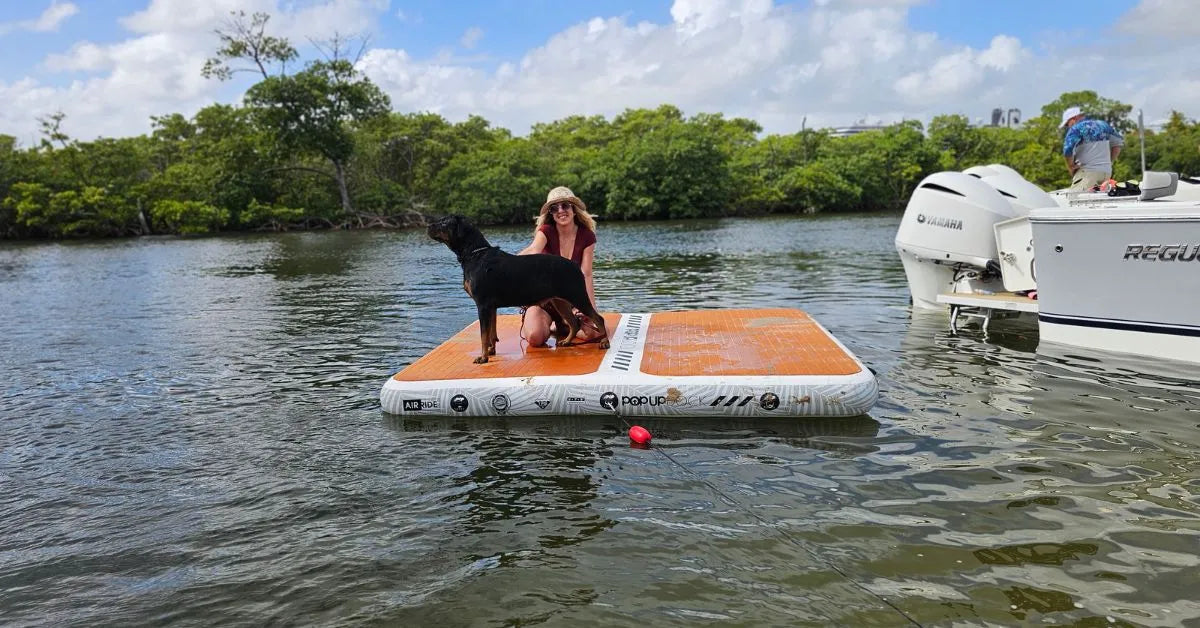
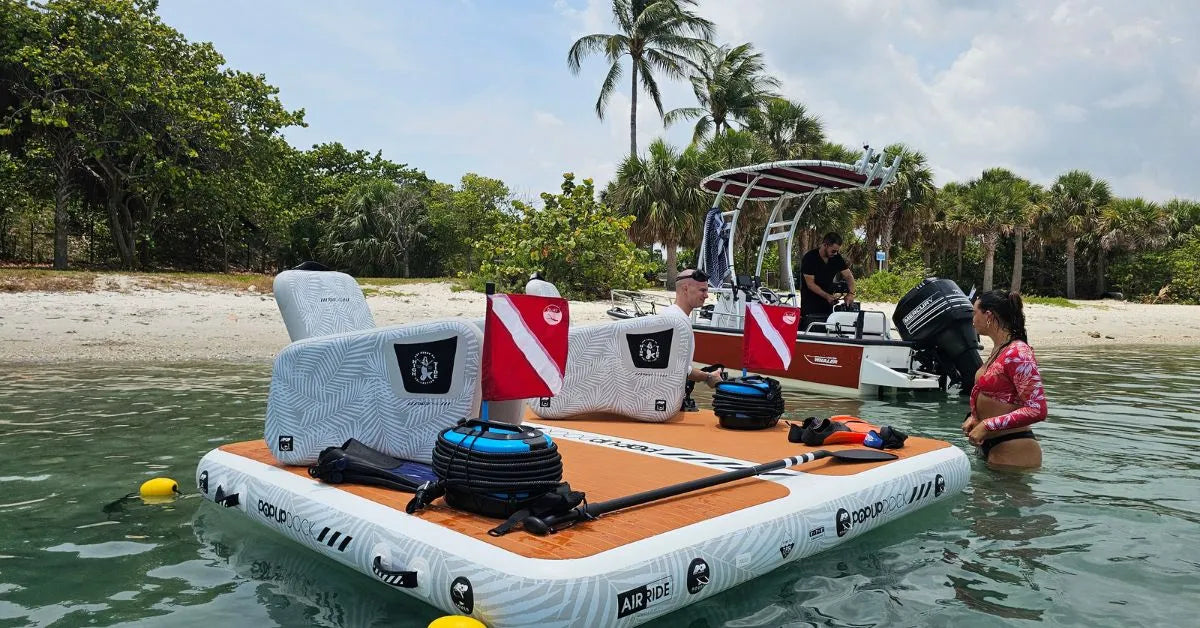
American anglers are discovering a game-changing advantage on the water: inflatable fishing docks that combine portability, stability, and versatility in ways traditional platforms simply can't match. Whether you're targeting bass on Lake Okeechobee, casting for trout in Montana's pristine rivers, or fishing the Great Lakes for walleye and salmon, the POPUP AQUADOCK and similar inflatable platforms transform how you access prime fishing locations and maximize your time on the water.

This comprehensive guide explores why inflatable fishing docks are becoming essential equipment for serious anglers across the United States, from weekend warriors to tournament competitors who demand performance, reliability, and the tactical advantage of accessing hard-to-reach fishing spots.

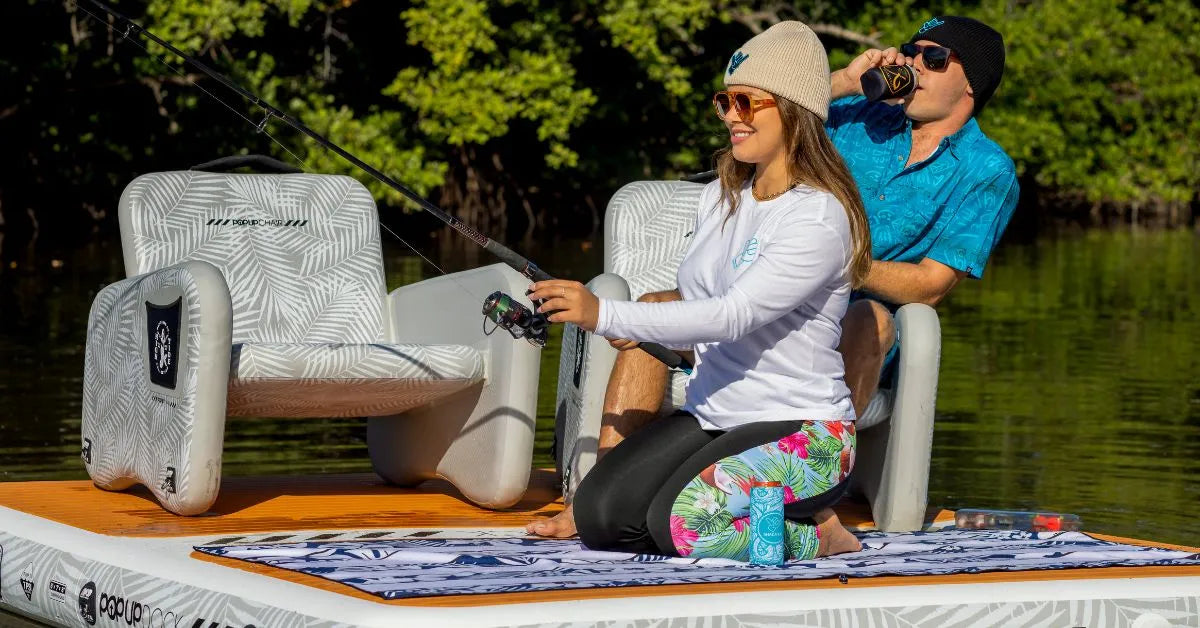
Man fishing while a woman relaxes on an inflatable pop-up dock with chairs on a calm lake surrounded by trees

Why Inflatable Docks Are Perfect for Fishing

Traditional fishing platforms—whether fixed docks, boats, or shore fishing—each have limitations. Inflatable fishing docks eliminate these constraints while adding unique advantages that directly improve your angling success.

Access Remote and Productive Fishing Locations

The best fishing spots are often the hardest to reach. Shallow flats, weed bed edges, submerged structure, and protected coves that hold trophy fish are frequently inaccessible by boat and too far from shore for effective casting. Inflatable fishing platforms solve this problem.

Transport your deflated dock by kayak, canoe, or fishing paddle board to remote locations, then inflate a stable 14-foot platform right where the fish are feeding. This mobility gives you access to pristine waters that see minimal fishing pressure—a critical advantage in heavily-fished US waters.

Superior Stability for Precision Casting and Fighting Fish

Fighting a trophy bass, muskie, or saltwater gamefish requires solid footing and freedom of movement. Inflatable fishing docks provide a stable, spacious platform that doesn't rock with every movement like a boat or kayak.

The POPUP DOCK 8 X 7 offers 56 square feet of stable surface—enough room to move freely while casting, setting hooks, and landing fish without the balance challenges of smaller watercraft. This stability translates directly to better hooksets, fewer lost fish, and more confident presentations.

Organized Tackle and Gear Management

Every angler knows the frustration of tangled lines, misplaced lures, and disorganized tackle. Inflatable fishing platforms provide dedicated space for tackle boxes, rod holders, coolers, and landing nets—all within easy reach and organized for efficiency.

The dry, elevated surface keeps electronics, tackle, and gear protected from water while providing ample workspace for rigging, unhooking fish, and preparing baits. No more balancing tackle boxes on your lap or losing lures overboard.

Inflatable Fishing Docks vs. Traditional Fishing Platforms

Understanding how inflatable platforms compare to traditional fishing methods helps you make informed decisions about your angling setup.

Feature Inflatable Fishing Dock Fishing Boat Shore Fishing
Portability Highly portable, fits in vehicle Requires trailer, ramp access Limited to accessible shoreline
Stability Excellent - minimal movement Moderate - rocks with movement Excellent - solid ground
Location Access Excellent - shallow water, remote areas Limited by draft, navigation Limited to shore access points
Setup Time 15-20 minutes Launch, navigation time Immediate
Noise/Disturbance Minimal - silent operation Motor noise, movement Minimal
Cost $800 - $3,000 $5,000 - $50,000+ Free
Maintenance Minimal Significant - motor, hull, trailer None
Fishing Pressure Access low-pressure areas Moderate pressure areas High pressure near access points

Best Fishing Applications for Inflatable Docks

Different fishing scenarios benefit from inflatable platform advantages. Here's how to maximize their potential across various angling situations.

Bass Fishing in Shallow Water and Vegetation

Largemouth and smallmouth bass thrive in shallow water structure—lily pads, weed beds, fallen timber, and rocky points. These areas are often too shallow for boats but too deep or vegetated for effective shore fishing.

Inflatable fishing platforms excel here. Position your dock at the edge of vegetation or over submerged structure, then work the area methodically with topwater lures, soft plastics, or jigs. The stable platform allows precise presentations and better hooksets when bass strike in heavy cover.

Popular US bass fishing destinations where inflatable docks shine include Lake Okeechobee (Florida), Clear Lake (California), Lake Guntersville (Alabama), and the thousands of smaller bass lakes across every state.

Trout Fishing in Rivers and Mountain Lakes

Trout anglers appreciate the stealth and access advantages of inflatable platforms. In rivers, anchor your dock in productive runs, pools, or tailouts where trout hold and feed. The elevated position provides better visibility for spotting fish and reading water.

Mountain lake trout fishing benefits from the portability—hike to remote alpine lakes with your deflated platform, then fish from a stable base while targeting cruising trout in crystal-clear water. This approach works exceptionally well in Colorado, Montana, Wyoming, and other Rocky Mountain states.

Two people fishing from a stand-up paddleboard on a calm lake with trees in the background.

Saltwater Fishing in Flats and Estuaries

Coastal anglers targeting redfish, speckled trout, snook, and other inshore species find inflatable platforms invaluable for accessing shallow flats and grass beds. The POPUP YACHTDOCK provides ample space for sight-fishing, casting to structure, and landing fish in challenging saltwater environments.

Gulf Coast destinations like the Louisiana marshes, Texas flats, and Florida's Everglades offer ideal conditions for inflatable platform fishing. Atlantic Coast anglers use them in the Chesapeake Bay, North Carolina sounds, and South Carolina lowcountry.

Always rinse saltwater platforms thoroughly with fresh water after each use to prevent corrosion and material degradation.

Ice-Out and Early Season Fishing

Early season fishing—immediately after ice-out in northern states—presents unique challenges. Water is cold, fish are lethargic, and access is limited. Inflatable platforms allow you to position over deep water near spawning areas where fish concentrate.

Great Lakes tributaries, northern pike lakes in Minnesota and Wisconsin, and walleye waters across the upper Midwest see excellent early season action when fished from stable platforms that keep you dry and comfortable in cold conditions.

Catfish and Panfish Angling

Catfish and panfish anglers benefit from the ability to fish multiple rods simultaneously from a stable platform. Set up over known catfish holes, brush piles, or panfish beds, then manage multiple lines efficiently.

The spacious surface accommodates rod holders, bait buckets, and coolers while providing room to move when fish strike. This setup works exceptionally well for crappie fishing over submerged structure or catfishing in river channels and reservoir flats.

Essential Gear and Accessories for Fishing from Inflatable Docks

Optimizing your inflatable fishing platform with the right accessories enhances functionality and fishing success.

Anchoring Systems for Fishing

Precise positioning is critical for fishing success. Multi-point anchoring keeps your platform exactly where you want it, even in wind or current.

Anchor types for fishing applications:

- Fluke anchors: Excellent for sand and mud bottoms common in reservoirs and coastal areas- Mushroom anchors: Ideal for soft bottoms and areas with minimal current- Grapnel anchors: Best for rocky bottoms and areas with structure- Stake-out poles: Perfect for shallow water positioning in flats and marshes

Use 3-4 anchor points for maximum stability. This prevents platform rotation and maintains your position relative to structure, weed edges, or drop-offs.

Rod Holders and Organization

Aftermarket rod holders attach to D-rings on most inflatable platforms. These keep rods secure, organized, and ready for quick deployment when fish are active.

Consider both vertical and horizontal rod holder configurations depending on your fishing style. Catfish anglers prefer multiple vertical holders for managing several rods, while bass anglers might use horizontal holders for quick access to different presentations.

Electronics and Fish Finders

Portable fish finders help locate structure, depth changes, and fish concentrations. Mount a portable unit on your inflatable platform to scout new areas and identify productive zones.

Battery-powered units with transducers work well on inflatable platforms. Secure the display where it's visible but protected from water, and position the transducer for optimal readings.

Coolers and Live Wells

Keep your catch fresh with a quality cooler or portable live well. The stable platform surface accommodates standard coolers without tipping concerns.

For catch-and-release fishing, use a mesh fish basket suspended from the platform to keep fish healthy until release. This works particularly well for tournament bass fishing or when photographing trophy catches.

Safety Equipment

Always prioritize safety when fishing from inflatable platforms:

- US Coast Guard-approved life jackets for all anglers- First aid kit with fishing-specific supplies (hook removal tools, antiseptic)- Whistle or signaling device- Waterproof communication device (phone in dry bag or marine radio)- Sun protection (hat, sunscreen, UV-protective clothing)- Weather radio or smartphone weather app

Regional Fishing Opportunities Across the United States

America's diverse waters offer endless inflatable platform fishing opportunities. Here's how to maximize success in different regions.

Great Lakes Region

The Great Lakes and their tributaries offer world-class fishing for salmon, steelhead, walleye, smallmouth bass, and muskie. Inflatable platforms work exceptionally well in protected bays, river mouths, and nearshore areas.

Popular locations include Lake Erie's western basin for walleye, Lake Michigan tributaries for salmon and steelhead, and Lake Superior's rocky shorelines for lake trout and smallmouth bass. The short but intense summer season makes portable platforms ideal—easy to deploy and remove as conditions change.

Southern Reservoir and River Systems

Southern states offer year-round fishing opportunities. Reservoirs like Lake Guntersville (Alabama), Sam Rayburn (Texas), and Santee Cooper (South Carolina) hold massive bass populations that respond well to platform fishing techniques.

River systems including the Mississippi, Tennessee, and Arkansas rivers provide excellent catfish, bass, and crappie fishing. Position inflatable platforms near current breaks, wing dams, and channel edges for consistent action.

Western Mountain Lakes and Rivers

Western states offer pristine trout fishing in alpine lakes and freestone rivers. The portability of inflatable platforms makes them perfect for backcountry fishing adventures.

Hike into remote Colorado, Montana, or Wyoming lakes with your deflated platform, then enjoy stable fishing over deep water where trophy trout cruise. River fishing for rainbow, brown, and cutthroat trout benefits from the elevated vantage point and stable casting platform.

Coastal and Inshore Waters

Both Atlantic and Pacific coasts offer exceptional inshore fishing from inflatable platforms. Target species include redfish, speckled trout, snook, striped bass, and flounder.

Gulf Coast anglers fish grass flats, oyster bars, and marsh edges. Atlantic Coast fishermen work tidal creeks, sounds, and back bays. Pacific Coast anglers target kelp beds, rocky points, and estuaries.

Always check tide charts and weather forecasts before deploying platforms in coastal areas. Tidal currents and wind can create challenging conditions.

Techniques for Maximizing Fishing Success

Strategic platform positioning and fishing techniques increase your catch rates significantly.

Structure and Cover Positioning

Position your inflatable dock adjacent to—not directly over—productive structure. This allows you to cast to multiple angles and work the entire area without spooking fish.

For weed bed fishing, anchor at the edge where vegetation meets open water. Bass, pike, and panfish cruise these transition zones looking for prey. For rocky structure, position upwind or up-current so you can drift baits naturally through the strike zone.

Depth and Temperature Considerations

Use your fish finder or depth sounder to identify thermoclines, depth changes, and suspended fish. Position your platform over the most productive depth range for your target species.

In summer, fish often suspend at specific depths where temperature and oxygen levels are optimal. In spring and fall, they relate to shallow structure. Winter fishing (in ice-free areas) requires positioning over deep water near structure.

Wind and Current Management

Wind and current affect both platform stability and fishing presentation. Use these forces to your advantage:

- Position upwind of structure so you can cast downwind for distance and accuracy- Use current to drift live baits or lures naturally through strike zones- Anchor with current or wind at your back for comfortable fishing positions- Adjust anchor scope (line length) based on conditions—more scope in strong wind or current

Stealth and Noise Reduction

Fish are sensitive to noise and vibration. Inflatable platforms offer stealth advantages over boats, but you must still minimize disturbance:

- Move slowly and deliberately on the platform- Avoid dropping tackle boxes or equipment- Use padded surfaces for landing fish- Speak quietly, especially in shallow water- Anchor carefully to avoid splashing

Maintenance and Care for Fishing Applications

Fishing environments present unique maintenance challenges. Proper care extends platform life and ensures reliability.

After Each Fishing Trip

Rinse thoroughly: Remove fish slime, blood, bait residue, and water minerals. These organic materials attract insects and promote mold growth.

Inspect for damage: Check for hook punctures, abrasions from rocks or structure, and wear at anchor points. Fishing environments are harder on platforms than recreational use.

Dry completely: Ensure the platform is fully dry before storage. Trapped moisture in fishing environments (with organic residue) accelerates degradation.

Hook Puncture Prevention and Repair

Hooks are the primary puncture risk when fishing from inflatable platforms. Minimize risk with these practices:

- Use a rubberized mat or carpet section for unhooking fish- Store rods with hooks secured in rod holders or hook keepers- Organize tackle to prevent loose hooks- Keep a repair kit accessible for immediate puncture repair

Small hook punctures are easily repaired with patch kits. Clean the area, apply adhesive, press the patch firmly, and allow adequate cure time before re-inflation.

Saltwater Fishing Maintenance

Saltwater accelerates wear and corrosion. After each saltwater fishing session:

1. Rinse the entire platform with fresh water, paying special attention to valves and D-rings2. Inspect metal components (if any) for corrosion3. Apply protectant to zippers and valves4. Dry completely before storage5. Store in a cool, dry location away from direct sunlight

Saltwater anglers should expect slightly shorter platform lifespans compared to freshwater use, but proper maintenance extends durability significantly.

Legal Considerations for Fishing from Inflatable Platforms

Understand regulations before deploying inflatable fishing platforms.

Fishing Licenses and Regulations

All anglers must possess valid state fishing licenses. Regulations vary by state regarding:

- Species limits and size restrictions- Seasonal closures and protected areas- Bait and tackle restrictions- Special regulations for specific waters

Check your state's Department of Natural Resources or Fish and Wildlife agency for current regulations.

Platform Placement Regulations

Most states don't regulate temporary inflatable platforms, but some waters have restrictions:

- National Parks may prohibit or restrict inflatable platforms- Wildlife refuges often have seasonal closures or area restrictions- Some reservoirs restrict platforms near dams or intake structures- Private waters require landowner permission

Always verify local regulations before fishing new waters.

Navigation and Safety Requirements

While inflatable fishing platforms aren't typically classified as vessels, US Coast Guard safety equipment requirements still apply when on navigable waters:

- Life jackets for all occupants- Sound-producing device (whistle)- Visual distress signals in coastal waters- Navigation lights if used after sunset (check local requirements)

Cost Analysis: Inflatable Fishing Platforms vs. Fishing Boats

Understanding total cost of ownership helps justify your investment.

Initial Investment Comparison

Inflatable Fishing Platform:- Platform: $800 - $2,500- Pump: $50 - $150 (often included)- Anchors and lines: $75 - $150- Accessories (rod holders, etc.): $100 - $300- Total: $1,025 - $3,100

Basic Fishing Boat:- Boat and motor: $8,000 - $25,000- Trailer: $1,500 - $3,500- Registration and taxes: $300 - $800- Safety equipment: $200 - $500- Total: $10,000 - $29,800

Ongoing Costs

Inflatable Platform Annual Costs:- Maintenance and repairs: $50 - $150- Storage (if not home-stored): $0 - $200- Annual total: $50 - $350

Fishing Boat Annual Costs:- Fuel: $300 - $1,500- Maintenance and repairs: $500 - $2,000- Insurance: $300 - $800- Registration: $50 - $200- Storage or marina fees: $500 - $3,000- Annual total: $1,650 - $7,500

Value Proposition

For anglers who primarily fish shallow water, remote locations, or don't need long-distance travel capabilities, inflatable platforms deliver exceptional value. The $1,000-$3,000 investment provides access to productive fishing locations that boats can't reach, with minimal ongoing costs.

Many serious anglers use both—boats for transportation and deep water fishing, inflatable platforms for accessing shallow structure and remote areas where boats can't go.

Frequently Asked Questions

Can inflatable fishing docks support multiple anglers?

Yes, quality platforms like the POPUP AQUADOCK support 4-6 adults comfortably. The 14-foot platform provides ample space for multiple anglers to fish simultaneously without crowding. Always verify manufacturer weight capacity and distribute weight evenly across the platform.

How do I prevent hook damage to my inflatable platform?

Use a rubberized mat or carpet section for unhooking fish and organizing tackle. Store rods with hooks secured in holders or keepers. Keep loose hooks contained in tackle boxes. Carry a repair kit for immediate puncture repair if needed. Most hook punctures are small and easily patched.

What's the best platform size for solo fishing?

Solo anglers find 8' x 7' platforms like the POPUP DOCK 8 X 7 ideal. This size provides adequate space for tackle, gear, and movement while remaining easy to transport and inflate. Larger platforms offer more space but require more inflation time and storage capacity.

Can I use inflatable fishing platforms in rivers with current?

Yes, with proper anchoring. Use multiple anchor points (3-4) with adequate scope to handle current forces. Position the platform in slower current areas like eddies, pools, or behind structure. Avoid deploying in fast current or flood conditions. River fishing platforms work exceptionally well in tailwaters, slow pools, and protected areas.

How long does it take to set up an inflatable fishing platform?

Inflation takes 10-15 minutes with an electric pump. Add 5-10 minutes for anchoring and positioning. Total setup time is typically 20-30 minutes from arrival to fishing. Deflation and packing take about 15 minutes. This quick setup allows you to fish prime times (dawn, dusk) without extensive preparation.

Are inflatable platforms suitable for saltwater fishing?

Absolutely. Marine-grade materials resist saltwater corrosion and degradation. The key is thorough freshwater rinsing after each use. Saltwater anglers report excellent performance in flats, estuaries, and protected coastal areas. Avoid using platforms in rough surf or strong tidal currents.

What fish species are best targeted from inflatable platforms?

Bass (largemouth and smallmouth), panfish (crappie, bluegill), catfish, trout, and inshore saltwater species (redfish, speckled trout, snook) are ideal targets. The stable platform works well for any species where precise positioning and stable casting are advantages. Pike, muskie, and walleye anglers also use platforms successfully.

Can I combine an inflatable platform with a kayak or canoe?

Yes, this is an excellent combination. Use your kayak or canoe to transport the deflated platform to remote locations, then inflate it for stable fishing. Some anglers tether their kayak to the platform for quick repositioning or as a backup if conditions change. The Battle Fish inflatable kayak pairs perfectly with fishing platforms for ultimate versatility.

Conclusion: Elevate Your Fishing Game with Inflatable Platforms

Inflatable fishing docks represent a paradigm shift in how American anglers approach their sport. The combination of portability, stability, and access to low-pressure fishing locations delivers tangible advantages that translate directly to more fish, bigger fish, and more enjoyable time on the water.

Whether you're a bass tournament competitor seeking an edge in shallow water, a trout angler exploring remote mountain lakes, or a saltwater enthusiast working coastal flats, inflatable platforms like the POPUP AQUADOCK and POPUP YACHTDOCK provide capabilities that traditional fishing methods simply can't match.

The modest investment—typically $1,000-$2,500 for a complete setup—delivers access to productive waters that see minimal fishing pressure, stable platforms for precision presentations, and the flexibility to adapt to changing conditions and locations throughout the season.

Explore our complete inflatable water docks collection to find the perfect fishing platform for your angling adventures. Transform how you fish America's diverse waters with the portability, stability, and tactical advantages of premium inflatable fishing platforms.

Reading next

Best Inflatable Docks for US Lakes & Coasts 2026
Inflatable Dock Rentals for US Events & Water Adventures 2026

Leave a comment

All comments are moderated before being published.

This site is protected by hCaptcha and the hCaptcha Privacy Policy and Terms of Service apply.