


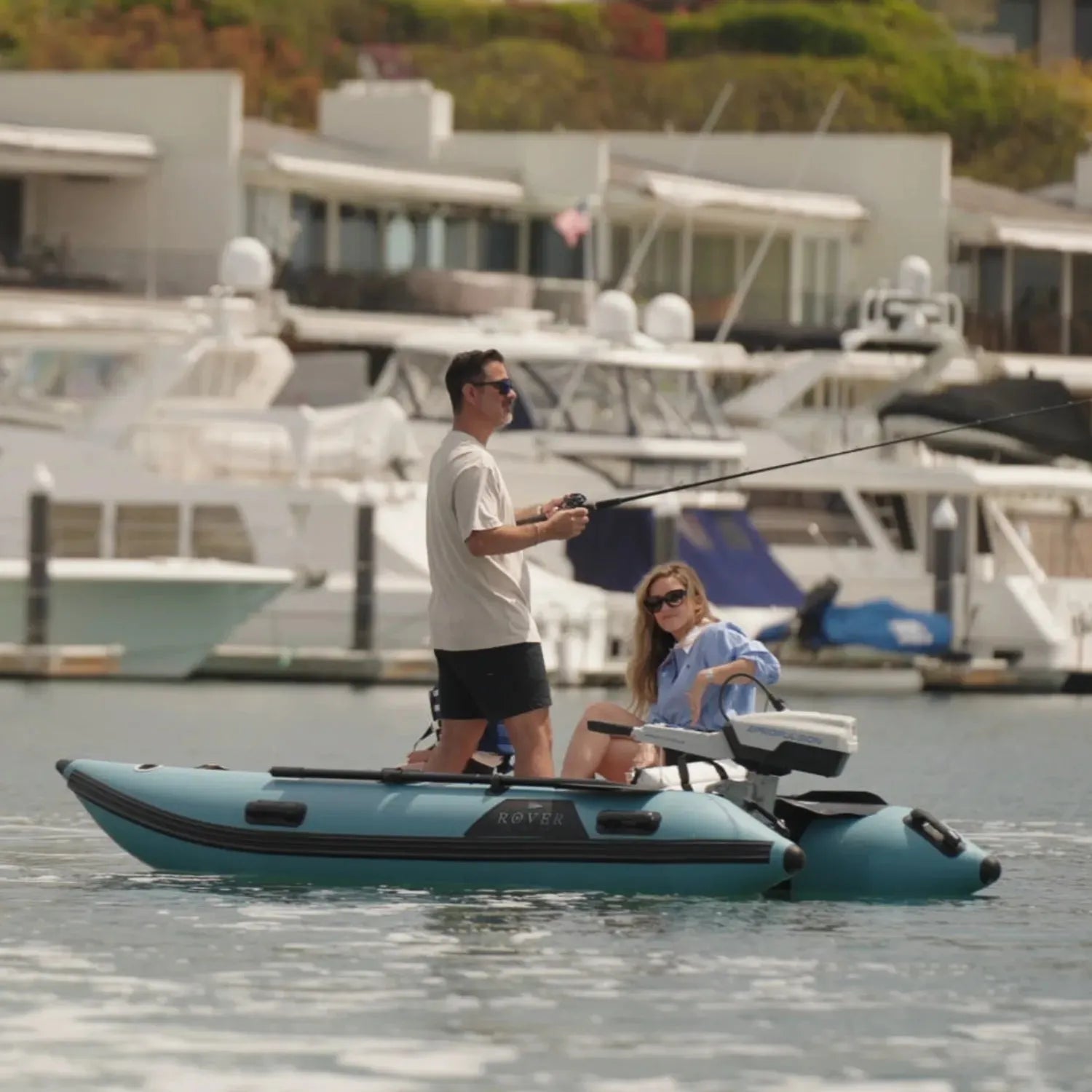
So you've got a Rover Marine inflatable boat—or you're thinking about getting one. Smart move. But here's the thing: these boats are crazy versatile, and a lot of people don't realize just how many situations they're perfect for.
Let's talk about when your Rover Marine inflatable really shines, and how to get the most out of it on lakes, rivers, and coastal waters across the US.
What Makes Rover Marine Inflatables Different
Before we dive into specific uses, let's talk about why Rover Marine boats stand out. These aren't your typical cheap inflatables that'll last one summer and call it quits.
Built Tough
Rover Marine uses heavy-duty PVC construction with reinforced seams. We're talking military-grade materials that can handle:
- Rocky shorelines and beach landings
- UV exposure from sitting in the sun all day
- Salt water, chlorine, and everything in between
- Getting dragged across docks and boat ramps
- Years of regular use without falling apart
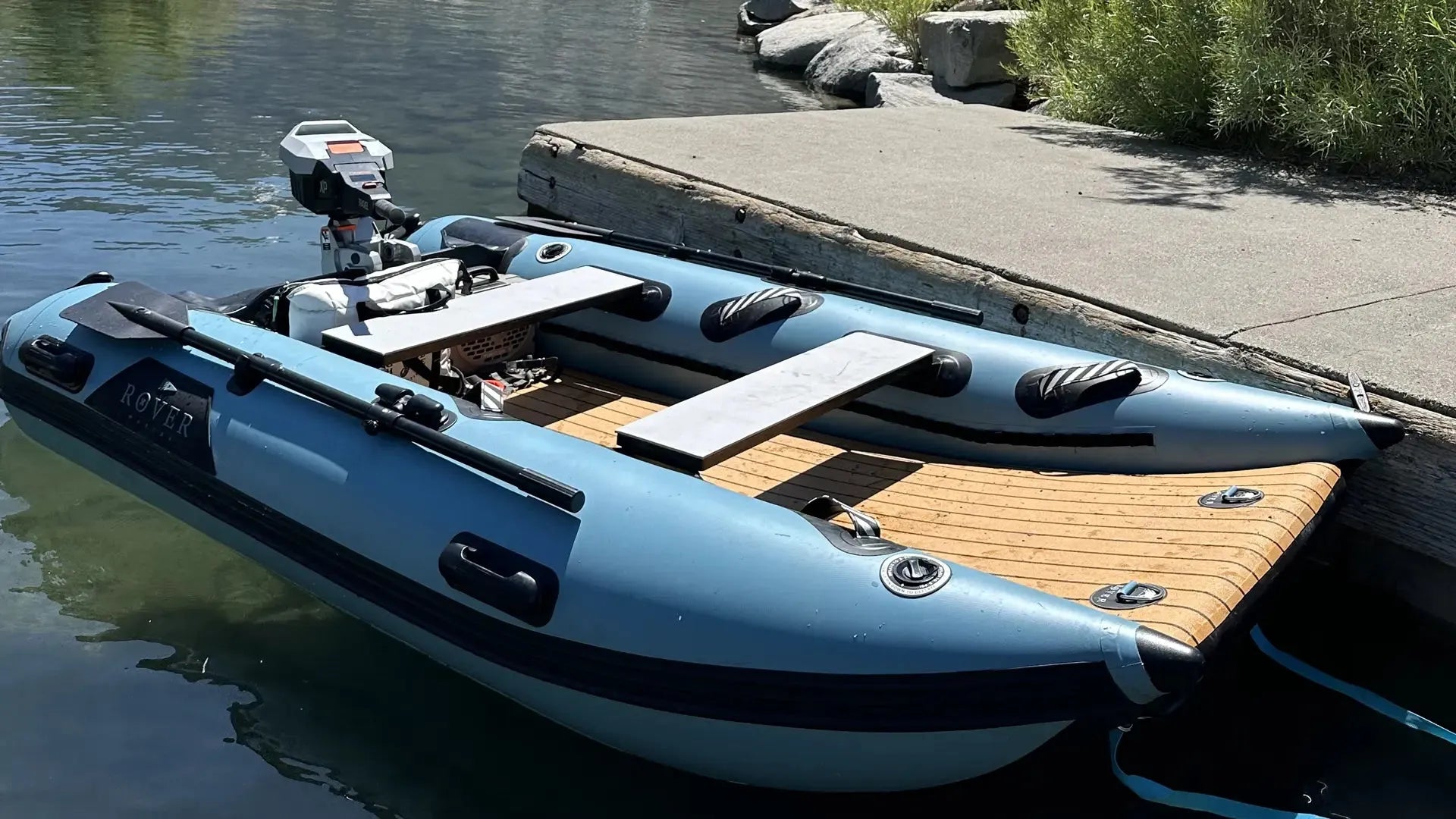
Rigid Floor Design
The rigid floor is a game-changer. Unlike soft-floor inflatables that feel like you're standing on a waterbed, Rover Marine boats give you a solid platform. This means:
- You can actually stand up and move around
- Mounting a motor works properly (no flexing or vibration)
- Better stability for fishing, diving, or just hanging out
- More efficient power transfer when you're motoring
Best Uses for Your Rover Marine Inflatable
1. Yacht and Boat Tender
This is probably the most common use, and for good reason. When you're anchored offshore and need to get to land, your Rover Marine inflatable is perfect.
Why it works:
- Light enough to hoist on davits or store on deck
- Deflates for easy storage when you're underway
- Soft sides won't scratch your yacht's hull
- Handles chop better than you'd expect
- Can carry passengers and gear without feeling sketchy
Real-world scenarios:
- Grocery runs when you're anchored in a harbor
- Getting crew to shore for dinner or exploring
- Ferrying supplies and equipment
- Emergency backup if your main boat has issues
The Battle Boat is especially popular for tender duty—big enough to be useful, small enough to store easily.
2. Fishing Platform
Here's where Rover Marine inflatables really surprise people. They make excellent fishing boats.
Fishing advantages:
- Shallow water access: Get into spots bigger boats can't reach—flats, marshes, backwaters
- Quiet approach: Won't spook fish like a loud motorboat
- Stable casting platform: That rigid floor means you can stand and cast all day
- 360-degree fishing: No blind spots, fish from any angle
- Easy to anchor: Position exactly where you want
Where it excels:
- Inshore saltwater fishing (redfish, speckled trout, flounder)
- Bass fishing on lakes and ponds
- River fishing for smallmouth or walleye
- Fly fishing in calm bays or estuaries
Just throw in a cooler, your tackle, and you're set. The Battle Cat has plenty of room for gear and a fishing buddy.
3. Beach and Coastal Exploration
Rover Marine boats are perfect for exploring coastlines, especially in areas where you can't take a bigger boat.
Perfect for:
- Beach hopping: Land on sandy beaches without worrying about scratching the hull
- Island exploration: Check out small islands and coves
- Wildlife viewing: Quiet approach for watching birds, dolphins, manatees
- Snorkeling trips: Get to reef spots or clear water areas
- Photography: Stable platform for getting those perfect shots
Best US locations:
- Florida Keys and Ten Thousand Islands
- Outer Banks, North Carolina
- San Juan Islands, Washington
- Channel Islands, California
- Gulf Coast barrier islands
4. Lake and River Recreation
On inland waters, Rover Marine inflatables are incredibly versatile.
Great for:
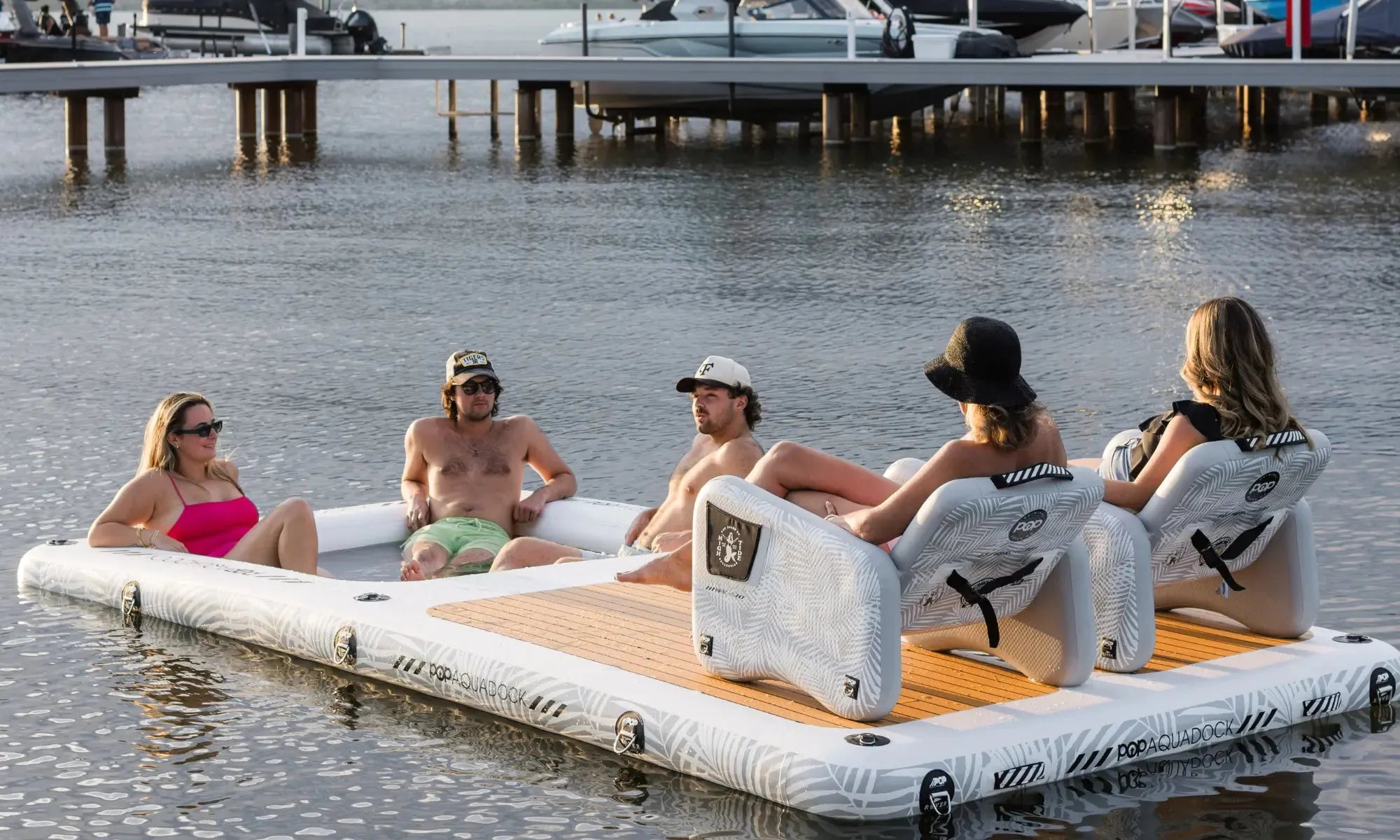
- Swimming platform: Anchor it offshore as a floating dock
- Towing water toys: Pull tubes or wakeboards (with appropriate motor)
- Camping access: Get to remote campsites on islands or far shores
- Diving platform: Scuba or free diving in lakes
- Sunset cruises: Relaxed evening paddles or motor trips
Popular spots:
- Lake Powell, Arizona/Utah
- Lake Tahoe, California/Nevada
- Boundary Waters, Minnesota
- Ozark lakes, Missouri/Arkansas
- Great Lakes tributaries and bays
5. Emergency and Safety Backup
This is one people don't think about until they need it.
Emergency uses:
- Backup boat if your main vessel breaks down
- Rescue operations (man overboard recovery)
- Evacuating people from a grounded or disabled boat
- Getting help when you're stuck somewhere
- Storm preparation (moving gear or people quickly)
Having a Rover Marine inflatable on board is like having insurance. You hope you never need it, but you're damn glad it's there when you do.
6. Diving and Snorkeling Support
Divers love these boats for good reason.
Why they work:
- Stable platform for gearing up
- Easy to climb back into (low sides, grab handles)
- Room for tanks, weights, and dive gear
- Can anchor over dive sites
- Bright colors make you visible to other boats
Dive applications:
- Reef diving in calm conditions
- Spearfishing trips
- Lobster hunting (where legal)
- Underwater photography expeditions
- Training dives in protected areas
7. Commercial and Professional Use
It's not just recreational—professionals use Rover Marine boats too.
Commercial applications:
- Marina operations: Moving between boats and docks
- Yacht services: Accessing client vessels for cleaning or maintenance
- Survey work: Inspecting docks, pilings, or vessels
- Film and photography: Water-based camera platforms
- Environmental monitoring: Water sampling, wildlife surveys
When NOT to Use Your Rover Marine Inflatable
Let's be real—these boats are versatile, but they're not invincible. Here's when you should think twice:
Rough Water Conditions
- Waves over 2-3 feet get sketchy fast
- Strong winds make them hard to control (high sides catch wind)
- Heavy chop can be uncomfortable and wet
- Open ocean in anything but calm conditions
Long-Distance Travel
- They're not built for 20-mile offshore runs
- Fuel capacity is limited with small motors
- Can be tiring in any kind of chop
- Better options exist for serious distance
Extreme Cold
- PVC gets stiff and brittle in freezing temps
- Ice can damage the material
- Not ideal for winter use in northern climates
Regional Tips for US Waters
East Coast (Atlantic)
- Watch the tides—they're significant
- Afternoon thunderstorms in summer are common
- Great for harbor and bay exploration
- Rinse thoroughly after salt water use
West Coast (Pacific)
- Cooler water temps year-round
- Rocky shorelines—watch for sharp edges
- Excellent for protected harbors and bays
- Kelp can foul props—go slow in kelp beds
Gulf Coast
- Warm, shallow waters are perfect
- Watch for sudden weather changes
- Tons of islands and flats to explore
- Hurricane season means easy storage is a plus
Great Lakes
- Freshwater is easier on the boat
- Weather can change fast—stay alert
- Seasonal use (store properly in winter)
- Lots of protected bays and harbors
Inland Lakes and Rivers
- Generally calmer conditions
- Watch for submerged logs and rocks
- Perfect for all-around recreational use
- Easy launching from most boat ramps
Getting the Most Out of Your Rover Marine Boat
Setup and Inflation
- Use a good electric pump—save your energy for the water
- Inflate to proper PSI (check your manual)
- Assemble the floor properly (if it's a multi-piece rigid floor)
- Check all valves before heading out
Motor Selection
- Match motor size to your boat's rating
- 2-stroke vs 4-stroke: both work, 4-stroke is quieter
- Electric trolling motors are great for fishing
- Don't overpower—it's not worth the risk
Maintenance
After every use:
- Rinse with fresh water (especially after salt water)
- Wipe down to remove sand and debris
- Let it dry before storing if possible
- Check for any damage or wear
Regular care:
- Check air pressure before each outing
- Inspect seams and valves periodically
- Clean with mild soap when needed
- Store out of direct sun when not in use
- Keep a repair kit handy (small punctures happen)
Storage
- Store partially inflated if you have space (prevents creasing)
- If deflating, fold loosely—don't crease the same spots every time
- Keep in a cool, dry place
- Away from chemicals, solvents, and sharp objects
- Check on it during off-season storage
Safety Gear You Need
Don't skimp on safety. Here's what you should have:
- Life jackets: One per person, properly fitted
- Whistle or horn: For signaling
- Paddle or oars: Backup if the motor quits
- Anchor and line: Appropriate for your area
- First aid kit: Basic supplies
- Flashlight: Waterproof, if you'll be out near dusk
- VHF radio or phone: Communication in emergencies
- Repair kit: For minor punctures
The Bottom Line
Rover Marine inflatable boats are incredibly versatile. Whether you're using it as a yacht tender, fishing platform, beach explorer, or just a fun lake boat, these things punch way above their weight.
The key is understanding what they're good at (calm to moderate water, versatile uses, easy storage) and what they're not (rough offshore conditions, long-distance travel).
Use it in the right situations, take care of it properly, and your Rover Marine inflatable will give you years of solid service on the water.
Check out the Battle Boat or Battle Cat if you're looking for a quality Rover Marine inflatable that can handle real use. These aren't pool toys—they're legitimate boats that'll take you places.

Leave a comment
All comments are moderated before being published.
This site is protected by hCaptcha and the hCaptcha Privacy Policy and Terms of Service apply.