


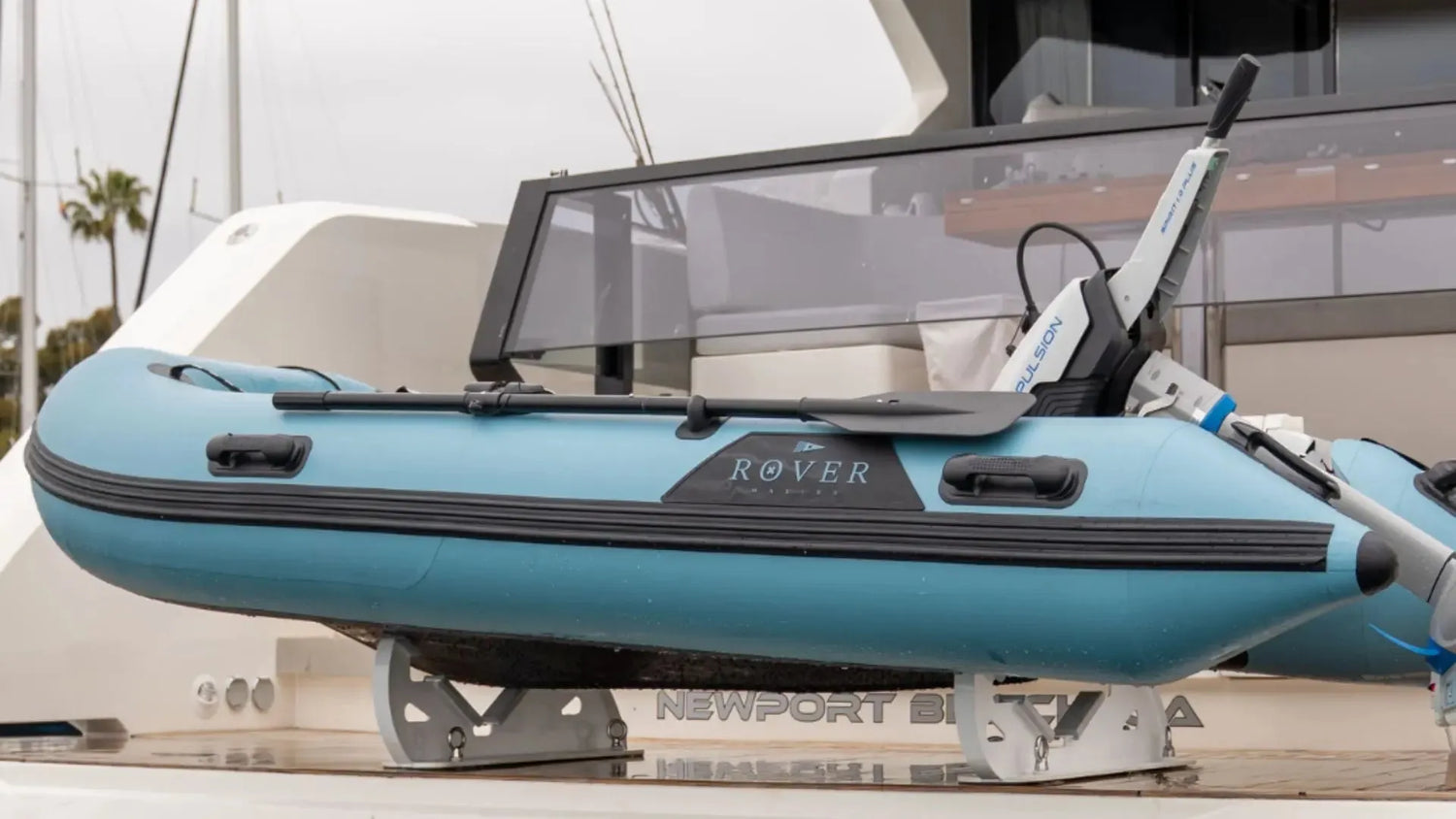
Look, I'm going to level with you—most people treat their inflatable dinghy like crap until something goes wrong. Then they're surprised when it springs a leak or the seams start separating after two seasons.
Here's the thing: a little regular maintenance goes a long way. We're not talking about hours of work here. Just some basic care that'll keep your Battle Boat or Battle Cat running strong for 10+ years instead of limping along for 3.
Let's talk about what actually matters when it comes to maintaining your inflatable dinghy.
After Every Single Use: The Non-Negotiables
This is the stuff you need to do every time you use your boat. Yeah, every time. I know it sounds like a pain, but it takes maybe 10 minutes and saves you from expensive repairs down the road.
Rinse It Down
Salt water, chlorine, lake scum—all of it needs to come off. Fresh water rinse, every single time.
Why it matters:
- Salt crystals are abrasive and will wear down your PVC over time
- Chlorine from pools degrades the material faster than you'd think
- Organic matter (algae, fish slime, whatever) can cause staining and odors
- Sand and grit act like sandpaper on the fabric
How to do it right:
- Use a hose with decent pressure (not a pressure washer though—that's overkill)
- Hit all the tubes, the floor, and especially the seams
- Don't forget the underside—that's where most of the crud builds up
- Pay attention to valve areas and any crevices
- If you've been in salt water, spend an extra minute really getting it clean
Wipe It Down
After rinsing, grab a towel or sponge and wipe everything down. This does two things:
- Removes any remaining debris the hose missed
- Lets you spot any damage or wear while you're at it
Look for:
- Small punctures or cuts
- Seam separation or bubbling
- Valve issues
- Wear spots that might become problems
- Any discoloration or material degradation
Catching stuff early means fixing it before it becomes a real problem.
Let It Dry
This is huge. Storing a wet inflatable is asking for mold, mildew, and material breakdown.
The right way:
- Leave it inflated and let it air dry in the shade (not direct sun)
- Flip it over halfway through so the bottom dries too
- Open all the valves to let moisture escape from inside the chambers
- In humid climates, use a fan to speed things up
- Make sure it's completely dry before deflating and storing
The wrong way:
- Deflating it wet and stuffing it in a bag (hello, mold city)
- Leaving it in direct sun to dry (UV damage is real)
- Assuming it's dry when it's not (check the seams and underside)
Weekly Maintenance (If You're Using It Regularly)
If you're out on the water every weekend, add these to your routine.
Check Air Pressure
Inflatables naturally lose a bit of air over time. It's not necessarily a leak—it's just physics.
- Check pressure before each outing
- Use a pressure gauge (don't just guess by feel)
- Inflate to manufacturer specs (usually 2.5-3.5 PSI for tubes)
- Don't over-inflate—more air doesn't mean better performance
- Remember that heat causes expansion, so don't max it out on a hot day
A good electric pump with a pressure gauge makes this way easier than hand pumping every time.
Inspect the Valves
Valves are where most slow leaks happen. Check them regularly.
What to look for:
- Valve caps are secure and not cracked
- No hissing sounds when you put your ear close
- Valve cores are tight (you can tighten them with a valve wrench)
- No debris stuck in the valve mechanism
- Rubber seals aren't dried out or damaged
Quick fix: Most slow leaks are just loose valve cores. Tighten them and you're good to go.
Clean the Floor
If you have a rigid floor (and you should), keep it clean.
- Remove any sand, dirt, or debris
- Check for any damage to the floor panels
- Make sure floor attachments are secure
- Wipe down with mild soap and water if needed
Monthly Deep Clean
Once a month (or more if you're using it hard), give your dinghy a proper cleaning.
What You'll Need
- Mild soap (dish soap works, or marine-specific cleaner)
- Soft brush or sponge (nothing abrasive)
- Fresh water
- Towels
- UV protectant spray (optional but recommended)
The Process
Step 1: Inflate fully so you can reach all areas and spot any issues.
Step 2: Mix soap and water in a bucket. Nothing fancy—just enough to cut through grime.
Step 3: Scrub everything with your soft brush or sponge:
- All tube surfaces, top and bottom
- Seams (gently—don't go crazy here)
- Floor and any non-slip surfaces
- Transom area
- D-rings and attachment points
Step 4: Rinse thoroughly with fresh water. Make sure all soap is gone—residue can attract dirt.
Step 5: Dry completely before storing.
Step 6: Apply UV protectant if you're in a sunny climate (Florida, California, Southwest, etc.). This stuff really does help prevent fading and material breakdown.
Seasonal Maintenance
Start of Season (Spring for Most of US)
If you stored your dinghy over winter, here's what to do before hitting the water:
- Inspect everything: Look for any damage that happened during storage
- Inflate fully: Let it sit for 24 hours to check for leaks
- Check all seams: Look for any separation or weak spots
- Test valves: Make sure they're holding air properly
- Clean thoroughly: Even if it was clean when stored, give it a wash
- Check hardware: D-rings, handles, transom attachments
- Lubricate moving parts: Valve mechanisms, oarlocks, etc.
End of Season (Fall/Winter Storage)
Proper storage prep is crucial, especially if you're in a climate with real winters.
The right way to store:
- Clean it completely: No shortcuts here—get it spotless
- Dry it thoroughly: Any moisture = mold and mildew
- Inflate partially: Don't store it completely deflated if you have space
- Store indoors: Garage, basement, shed—anywhere climate-controlled
- Keep it off concrete: Lay down a tarp or cardboard first
- Avoid extreme temps: No attics (too hot) or unheated sheds (too cold)
- Keep away from chemicals: Gas, solvents, cleaners can damage PVC
- Cover it: Protect from dust and UV if there are windows
If you must deflate it:
- Fold loosely—don't crease the same spots every time
- Don't compress it tightly in the bag
- Store in a cool, dry place
- Check on it mid-winter to make sure everything's okay
Dealing with Damage: Repairs You Can Do
Stuff happens. Here's how to handle common issues.
Small Punctures (Under 1 inch)
These are easy fixes with a basic repair kit.
What you need:
- PVC patch material (usually comes with your boat)
- PVC adhesive (marine-grade)
- Sandpaper or rough cloth
- Acetone or rubbing alcohol
- Roller or smooth object for pressing
How to fix it:
- Deflate the damaged area
- Clean around the puncture with acetone
- Rough up the surface lightly with sandpaper
- Cut a patch that's at least 2 inches bigger than the hole
- Apply adhesive to both the patch and the boat
- Let it get tacky (5-10 minutes)
- Press the patch on firmly, working out any bubbles
- Roll it smooth with a roller or bottle
- Let it cure for 24 hours before inflating
Slow Leaks (Finding Them)
If you're losing air but can't find the leak:
- Inflate the boat fully
- Mix soapy water in a spray bottle
- Spray sections of the boat and watch for bubbles
- Check valves first—that's usually the culprit
- Don't forget seams and the underside
- Mark any leaks you find with a marker
Valve Issues
Most valve problems are simple fixes:
- Slow leak: Tighten the valve core with a valve wrench
- Won't hold air: Replace the valve core (cheap and easy)
- Damaged threads: Might need a whole new valve (harder but doable)
- Debris in valve: Clean it out carefully
When to Call a Professional
Some repairs are beyond DIY:
- Large tears or punctures (over 3-4 inches)
- Seam separation
- Transom damage
- Multiple leaks or widespread damage
- Delamination of layers
A professional repair shop can handle these, and it's usually cheaper than buying a new boat.
Regional Considerations for US Boaters
Saltwater Environments (Coasts)
If you're on the Atlantic, Pacific, or Gulf Coast:
- Rinse obsessively: Salt is your enemy
- Check hardware more often: Corrosion happens fast
- UV protection is critical: Coastal sun is intense
- Store away from salt air: Even when not in use, salt air degrades materials
Freshwater (Lakes and Rivers)
Great Lakes, inland lakes, rivers:
- Less corrosive overall, but still rinse after use
- Watch for zebra mussels (Great Lakes)—they're sharp
- Algae can stain—clean it off promptly
- Easier maintenance overall
Hot Climates (Southwest, Florida, Southern California)
- UV damage is the main concern
- Use UV protectant religiously
- Store indoors or under cover
- Check air pressure more often (heat causes expansion)
- Lighter colored boats stay cooler
Cold Climates (Northeast, Great Lakes, Pacific Northwest)
- Proper winter storage is crucial
- Don't use in freezing temps (PVC gets brittle)
- Store in climate-controlled space if possible
- Check for damage after winter before using
Products That Make Maintenance Easier
A few things worth having:
- Electric pump with pressure gauge: The Cachalot Electric Pump saves your arms and ensures proper inflation
- Valve wrench: For tightening valve cores
- UV protectant spray: Extends material life significantly
- Soft brush: For cleaning without damaging material
- Repair kit: Patches, adhesive, sandpaper
- Storage cover: If you're storing outside or in a dusty garage
Common Mistakes to Avoid
Don't do these things:
- Storing it wet: Mold and mildew will destroy it
- Over-inflating: Doesn't improve performance, just stresses seams
- Using harsh chemicals: Bleach, strong solvents, etc. will damage PVC
- Dragging it across rough surfaces: Abrasion is a killer
- Leaving it in direct sun for days: UV damage adds up fast
- Ignoring small problems: They become big problems quickly
- Storing near heat sources: Furnaces, water heaters, etc.
- Using automotive tire pumps: Wrong pressure range, can over-inflate
The Real Talk on Maintenance
Here's the bottom line: your inflatable dinghy is a tool, and like any tool, it'll last way longer if you take care of it.
The good news? Maintenance isn't complicated or time-consuming. Rinse it after use, dry it properly, store it right, and fix small issues before they become big ones. That's 90% of it right there.
Do that consistently, and your Battle Boat or Battle Cat will give you a decade or more of solid service. Skip it, and you'll be shopping for a new boat in 2-3 years.
Your call, but I know which one makes more sense.
Now get out there and use your boat. Just remember to rinse it when you're done.

Leave a comment
All comments are moderated before being published.
This site is protected by hCaptcha and the hCaptcha Privacy Policy and Terms of Service apply.