


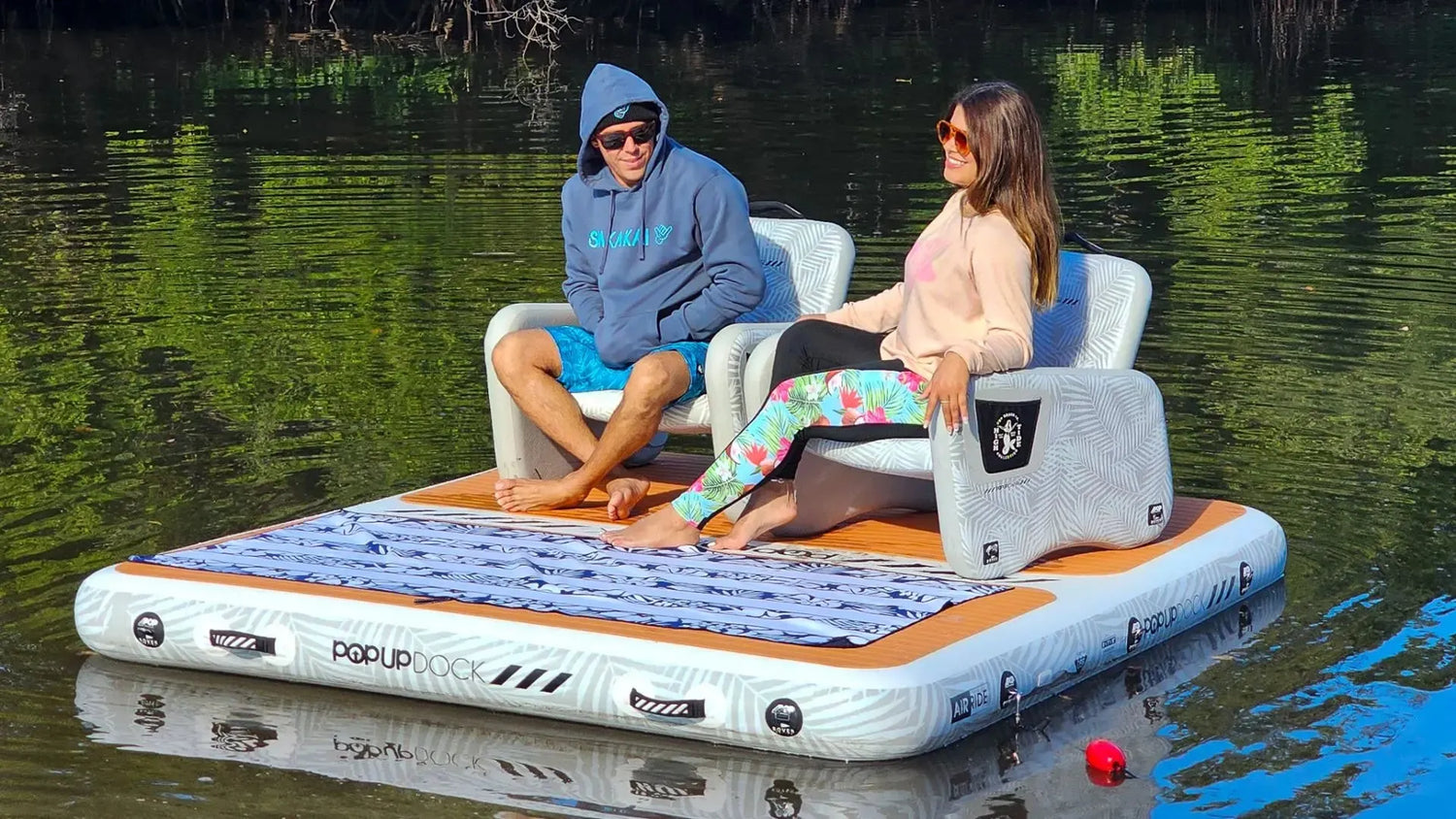
Inflatable docks are increasingly chosen by families seeking secure, high-quality water recreation. These platforms deliver a stable surface for relaxation, play, and water-based activities, suitable for a range of family outings. This guide examines the key safety specifications, setup procedures, and accessories that improve dock performance and user satisfaction. By clarifying common challenges related to safety and usability, the guide will enable informed selection and confident use of an inflatable dock for family adventures.
What Are the Essential Safety Features of Inflatable Docks for Families?
Safety must be the primary consideration when selecting a family inflatable dock. Critical features include structural stability, rated weight capacity, clear life-jacket recommendations, active supervision protocols, and reliable anchoring systems. These elements ensure the dock supports intended activities while mitigating common risks associated with water use.
How Do Non-Slip Surfaces Enhance Inflatable Dock Safety?
Non-slip surfaces provide essential traction and reduce the likelihood of slips and falls, particularly when wet. They improve user stability and comfort, allowing families to move on the dock with greater confidence. As a result, non-slip materials materially contribute to the overall safety performance of an inflatable dock.
Which Safety Certifications Should Families Look For?
When evaluating inflatable docks, seek recognised safety certifications that demonstrate compliance with established standards. Certifications such as ASTM (American Society for Testing and Materials) indicate that products have been assessed against specific safety criteria. Verifying these certifications supports a more informed, risk-aware purchase decision.
Reviewing the historical development of inflatable boat safety standards can provide useful context for current product requirements.
Inflatable Boat Safety Standards: Construction, Loading & Stability
The Federal Boat Safety Act of 1971 establishes boating standards for most monohull boats under 20 in length. The safety standards specifically exclude sailboats, canoes, kayaks and inflatable boats. Commandant G-DST-2 ltr 735200 Ser 0061 of 12 Dec 72 authorised the Coast Guard Research and Development Center, Groton, Connecticut, to conduct an evaluation of inflatable boats in support of the development of a safety standard. This report documents the data collected and the procedures developed in the areas of construction, safe loading, powering and underway stability, and human factors. Recommended standards concepts are proposed.
Inflatable Boat Standard Development, 1973
How to Set Up and Maintain Inflatable Docks for Optimal Family Use?

Correct setup and routine maintenance are essential to preserve performance and safety over the dock's service life. Families should account for weather conditions, adhere to published weight capacities, apply recommended inflation techniques, and employ appropriate anchoring methods to optimise stability and durability.
What Are the Step-by-Step Instructions for Inflatable Dock Setup?
The installation procedure for an inflatable dock typically follows these key steps:
- Choose a Suitable Location: Select a calm area with minimal waves and obstacles.
- Inflate the Dock: Use an electric pump for quick inflation, ensuring the dock reaches the recommended pressure.
- Secure the Dock: Anchor the dock using appropriate anchoring techniques to prevent drifting.
- Safety Checks: Inspect the dock for any damage or leaks before use.
Adhering to these steps helps ensure reliable performance and a safe experience for all users.
What Are the Best Practices for Inflatable Dock Maintenance?
Regular maintenance preserves structural integrity and safety. Recommended practices include routine inspections for wear or damage, careful cleaning to remove salt and debris, and thorough drying before storage to prevent biological growth.
- Regular Inspection: Check for any signs of wear or damage, especially after each use.
- Cleaning: Rinse the dock with fresh water to remove salt, sand, and debris that can cause deterioration.
- Drying: Allow the dock to dry completely before storing it to prevent mold and mildew growth.
Consistent application of these maintenance measures will extend service life and help maintain a safe platform for family use.
Which Inflatable Dock Brands Offer the Best Options for Family Adventures?
Several manufacturers distinguish themselves in the inflatable dock market by combining proven construction methods with safety-focused design. When comparing brands, evaluate reputation, material specifications, and certification records to identify products that meet your family’s operational and safety requirements.
How Do Intex and Airhead Inflatable Docks Compare for Family Use?
Intex and Airhead represent two common choices for family docks. Intex models are frequently noted for affordability and straightforward operation, which appeals to budget-conscious buyers. Airhead models are recognised for robust construction and enhanced safety features, making them suitable for families prioritising durability. Assess specific model specifications to determine the best fit for intended use.
What Are the Key Features Differentiating Top Inflatable Dock Brands?
Leading brands differentiate through material quality, portability and engineered safety features. Durable materials resist punctures and abrasion, portable designs facilitate transport and storage, and reinforced seams plus non-slip surfaces improve operational safety. These attributes should inform a comparative evaluation.
What Accessories Complement Inflatable Docks for Family Water Activities?
Appropriate accessories increase convenience and safety for family water activities. Common, beneficial items include kayak seats, dual-action hand pumps and PVC repair kits that enable on-site maintenance and improved comfort.
Which Electric SUP Pumps Are Recommended for Inflatable Dock Inflation?
For efficient inflation of inflatable docks, high-pressure electric pumps are recommended. These units deliver consistent, rapid inflation and often include adjustable pressure settings and automatic shut-off features to achieve the manufacturer‑recommended pressure safely and reliably.
What Additional Gear Enhances Safety and Convenience on Inflatable Docks?
Beyond pumps, a small selection of equipment materially improves safety and usability:
- Life Jackets: Essential for ensuring the safety of all users, especially children.
- Anchors: Help secure the dock in place, preventing it from drifting.
- Repair Kits: Useful for quick fixes in case of punctures or leaks.
Outfitting the dock with these items enhances operational safety and contributes to a more reliable, enjoyable family experience.
How Does Weight Capacity Affect Inflatable Dock Suitability for Families?
Rated weight capacity directly determines whether a dock can safely support the number of users and the equipment they bring. Verifying the stated capacity against anticipated use is essential to ensure safe operation.
Design and engineering decisions for inflatable vessels commonly prioritise load capacity and material durability, including puncture resistance.
Inflatable Vessel Design: Puncture Resistance & Load Capacity
Some sponsor objectives included an inflatable vessel capable of operating in sea states 3–5 and carrying a specified load of 100 lb. The design also required the ability to attain a 6‑knot hull speed and to incorporate measures for puncture resistance.
Inflatable Vessel Design Study, 2019
What Is the Typical Weight Capacity Range for Family-Friendly Inflatable Docks?
Typical family-friendly inflatable docks specify weight capacities between 1,000 and 2,000 pounds. This range accommodates multiple users and ancillary equipment; always confirm the manufacturer’s published capacity prior to use.

How to Choose an Inflatable Dock Based on Family Size and Usage?
Select a dock based on household size and intended activities. Larger families or those planning multi‑purpose use should choose models with higher rated capacity and greater surface area. Equally important are material specifications and built‑in safety features that align with intended use profiles.
To further enhance your water adventures, consider exploring all water sports gear. Having the right equipment can significantly improve your experience on the water.
For those seeking more versatility, inflatable boats and catamarans offer a great alternative. These options provide additional space and stability for family outings.
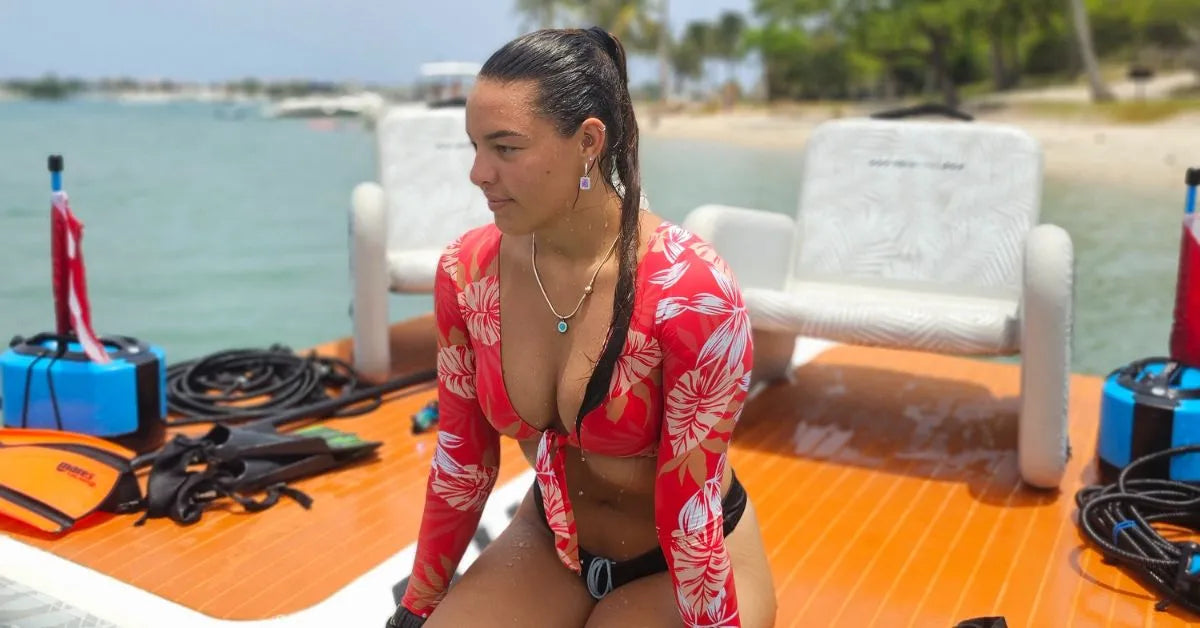
To make your time on the water even more comfortable, consider adding inflatable chairs. These chairs are easy to transport and set up, providing a relaxing seating option on your inflatable dock.
Frequently Asked Questions
What are the benefits of using inflatable docks for family outings?
Inflatable docks deliver portability, straightforward setup and versatile use cases. They provide a stable platform for swimming, fishing or relaxation and can be transported to varied locations with relative ease. The design reduces preparation time and increases on‑water time, enhancing overall family experience and satisfaction.
How do weather conditions affect the use of inflatable docks?
Weather has a direct effect on safety and usability. High winds, strong currents or storms increase risk and should lead to avoidance of dock use. Extreme heat can alter material properties, while very cold conditions may affect surface comfort. Consult weather forecasts and choose calm, clear conditions for dock activities.
What should families do if their inflatable dock gets damaged?
If damage occurs, locate the leak or puncture through inspection and follow the manufacturer's repair instructions. Most docks include repair kits with patches and adhesive; clean the area, apply the patch per guidance and allow full cure before reuse. For extensive damage, contact the manufacturer for repair or replacement options.
Are inflatable docks suitable for all water types?
Inflatable docks are best suited to calm waters such as lakes, ponds and slow‑moving rivers. They are not recommended for rough sea conditions or fast‑flowing rivers due to stability limitations. Assess local water conditions and avoid use where strong currents or high waves are present.
How can families ensure their inflatable dock lasts longer?
Extend service life by performing regular inspections, addressing wear promptly, rinsing with fresh water after use, and ensuring complete drying before storage. Store the dock in a cool, dry location away from direct sunlight to limit UV degradation.
What are the best practices for using inflatable docks with children?
Prioritise child safety by requiring life jackets for all children on or near the dock, maintaining constant supervision, and establishing clear bedanhavioural rules. Select calm, shallow areas for activities and provide age‑appropriate water‑safety instruction to reduce risk and improve enjoyment.


Leave a comment
All comments are moderated before being published.
This site is protected by hCaptcha and the hCaptcha Privacy Policy and Terms of Service apply.